Plastic Fabrication Workshop Layout: 5-Zone Planning Guide
- Share
- Issue Time
- Aug 6,2026
Summary
Plan a plastic fabrication workshop with five zones for storage, cutting, welding, bending and assembly, plus workflow, safety and sheet-handling tips.
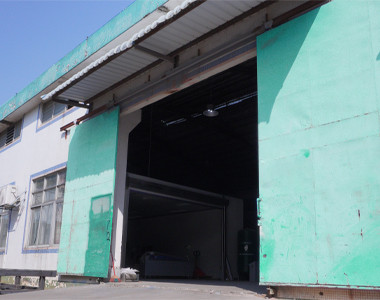
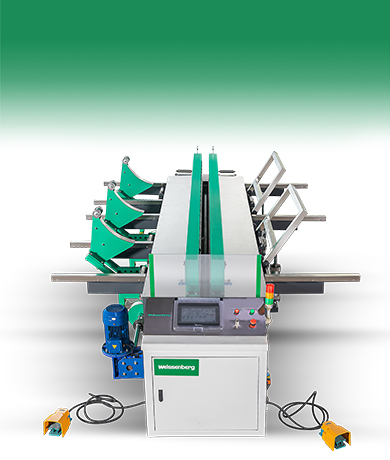
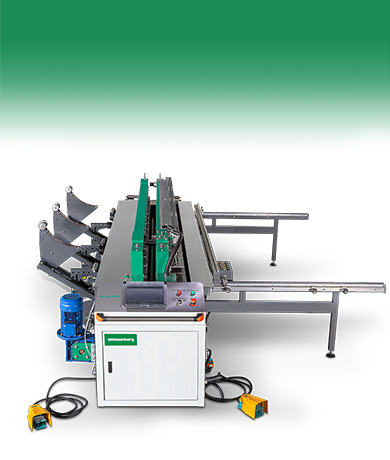
Plan a plastic fabrication workshop as a layout and workflow problem first, an equipment purchasing problem second. Organize the floor into five zones — storage, cutting, welding, bending, assembly — so material flows one way without backtracking. Size every zone from your largest sheet, keep cutting separate from welding, and install ventilation and fire safety before any machine arrives. Handling and waiting time, not machine speed, are the usual bottlenecks. A plastic fabrication workshop is a production facility where thermoplastic sheets (PP, HDPE, PVC, PVDF, and others) are cut, welded, bent, and assembled into finished products such as chemical storage tanks, scrubbers, plating tanks, ducting, and water treatment equipment. Core processes include butt welding (joining sheet edges with a heated plate — see our step-by-step PP panel welding guide), line bending (forming angles and corners), and assembly welding (extrusion or hot-air welding of internal joints). The workshop is organized around these process zones, supported by material storage, ventilation, and quality inspection areas. Whether you are starting a new fabrication shop, expanding an existing one, or upgrading from manual tools to industrial machines, the planning principles are the same. This guide covers space planning, essential equipment, ventilation and safety, material storage, workflow optimization, and a practical checklist — built on Weissenberg's experience supporting fabrication workshops worldwide. The most common mistake in workshop setup is arranging equipment first and thinking about material flow second. Thermoplastic sheets are large, heavy, and awkward to handle — a 2 m × 4 m thermoplastic sheet is several times larger than a typical room door and may weigh tens of kilograms depending on material and thickness. Every unnecessary turn or backtrack costs labor time and risks sheet damage. Based on customer workshop observations, efficient material flow can matter more than total floor area. A compact, well-planned workshop may outperform a larger facility with excessive backtracking and handling. If a workshop bends panels in the corner farthest from the welding machine, every tank body adds unnecessary handling time and risk. For a real-world example of zones and flow in practice, see how an HDPE tank factory organizes its complete production workflow. Once the layout is decided, equipment selection becomes straightforward. Every fabrication workshop revolves around a core trio: a heated-tool sheet butt welder for load-bearing panel seams, a bending machine for corners and flanges, and a cutting solution for sheet sizing. Around these, Weldy hot-air and extrusion welders (a Leister sub-brand distributed by Weissenberg) handle assembly joints and repairs, and simple clamps, fixtures, and inspection tools complete the shop. Which machine comes first depends on your product. If tanks, scrubbers, or ducting are your main work, the butt welder is the priority — it produces the structural seams. If your focus is liners and field repairs, extrusion welding becomes the workhorse instead. For a detailed machine-by-machine comparison, see our plastic tank fabrication equipment setup guide. Thermoplastic welding releases fumes and decomposition gases that vary by material. Planning ventilation is not optional — it protects workers and, for some materials, is a regulatory requirement. PVDF deserves special care: common in semiconductor and high-purity applications, it welds within a narrow temperature window. Our PVDF sheet welding guide for semiconductor equipment covers the process and controls in detail. Thermoplastic sheets are sensitive to storage conditions in ways that directly affect weld quality. Storing PP or HDPE sheets outdoors in sunlight degrades the surface, and contaminated or warped sheets produce defective welds no matter how good the machine is. Once the zones and equipment are in place, the next productivity lever is workflow discipline. These practices separate efficient shops from chaotic ones: Weissenberg's customer workshops that produce tanks in series achieve the best throughput when the welding station never waits: panels arrive cut, cleaned, and matched, and the welder operates continuously at documented parameters. The bottleneck in most workshops is not machine speed — it is waiting time between operations. Budgeting mistakes usually come in two forms: buying the cheapest machine and paying in downtime, or over-investing in capacity you will not use for years. Three rules keep spending aligned with the layout: Equipment pricing varies by configuration, sheet size capacity, and region — request a quotation from Weissenberg for current figures. As order volume grows, expand in stages: start with the core trio (or a combined welding & bending unit), then add a larger-capacity butt welder and a dedicated bending machine, and finally move toward CNC automation when repeatability and labor efficiency justify it. Weissenberg offers a one-stop range — WeiBond butt welders, WeiFlex bending machines, combined welding & bending units, cutting machines, CNC routers, and Weldy hand tools — so a workshop can source its core trio from a single supplier with matching support and spare parts. Space requirements depend on the largest sheet you process, not your average job. You need a straight run longer than your longest panel for butt welding, plus zones for cutting, bending, assembly, and storage. A small job shop can operate in a few hundred square meters; the key is that the layout supports linear material flow without backtracking. Yes. Cutting produces dust and fines that can contaminate weld edges and cause porosity in butt welds. Keep cutting physically separate from welding — ideally in different rooms or separated by a partition — and position the welding zone where it can stay clean. Dust extraction at the cutting station protects both zones. At minimum, leave a straight, obstacle-free run longer than your longest panel so full sheets can be positioned and welded without turning. Add space on both sides for the operator, the heating plate swing, and panel support tables, plus room for loading and unloading. Confirm the exact clearances required with the machine supplier for the specific model you choose. Plan handling routes as part of the layout, not as an afterthought. Routes should connect storage, cutting, and assembly without crossing the welding zone, be wide enough for the largest sheet with forklift or crane access, and avoid conflict with personnel walkways and emergency exits. Marking floor lanes and keeping routes free of stored material keeps handling predictable and safe. Yes. Thermoplastic welding produces fumes and decomposition gases whose hazard level depends on the material — PVC in particular releases more harmful gases than PP or HDPE. Use appropriate local exhaust ventilation at each welding station, combined with general shop ventilation, to protect workers and keep weld zones free of airborne contamination that can degrade weld quality. A successful plastic fabrication workshop is built in the right order: define products and sheet sizes, lay out the zones for one-way flow, engineer safety in from day one — then buy machines matched to each growth stage. The workshops that perform best are rarely the biggest; they are the ones where material never waits and never backtracks.Quick Answer
What Is a Plastic Fabrication Workshop?
Definition: Plastic Fabrication Workshop
1. Workshop Space Planning: Zone Layout That Keeps Material Flowing
The Five-Zone Layout
Zone
Primary Function
Key Planning Considerations
1. Material storage
Horizontal storage of raw sheets, separated by material type and thickness
Flat, dry, away from direct sunlight and heat sources; easy forklift/hoist access
2. Cutting zone
Sheet cutting, edge trimming, and edge preparation
Needs dust extraction and enough clearance to rotate full sheets; saw/router placement
3. Welding zone
Butt welding of panels using heated-tool welders
Level floor, three-phase power where required, clear space for long panel lengths, welding fume extraction
4. Bending zone
Line bending of sheets to form corners, flanges, and tank bodies
Positioned between welding and assembly to receive welded panels; heat source with clearance for long parts
5. Assembly & QC zone
Final assembly, extrusion welding of internal seams, inspection, and testing
Workbenches, compressed air, water supply for leak testing, lighting for visual inspection
Layout Principles
Experience Note
2. Essential Equipment in Brief
3. Ventilation and Safety Requirements
Material
Welding Fume Profile
Key Safety Measures
PP (polypropylene)
Low-moderate fumes; thermal decomposition above recommended temperatures
Local fume extraction at weld zone; keep heating plate at recommended temperature (±5°C class precision)
HDPE (PE)
Similar to PP; waxy decomposition products if overheated
Extraction, temperature discipline, no open flames
PVC
Releases hydrogen chloride and plasticizer fumes — more hazardous
Use appropriate local exhaust ventilation based on the material, process temperature, safety data sheet and workplace exposure assessment.
PVDF
Fluorine-containing decomposition products if overheated
Strict temperature control and clean handling procedures may be required for semiconductor and high-purity applications.
Safety Checklist
4. Material Storage Considerations
5. Workflow Optimization Tips
Experience Note
6. Budget Planning in Three Rules
7. Scaling Equipment with Production Volume
8. Common Workshop Setup Mistakes to Avoid
Common Mistake
Consequence
How to Avoid It
Buying the machine before planning the layout
Equipment doesn't fit the material flow; expensive rework
Draw the zone layout first, then size equipment to the space
Ignoring power requirements
Three-phase machines installed in single-phase shops; costly electrical work
Confirm supply voltage/phase before purchase
Skipping fume extraction
Worker health risks; poor weld quality in dusty air
Budget extraction into the initial build
Under-sizing for the biggest job
Lost contracts for large panels; second machine needed later
Size the welder for the largest sheet you plan to process
Buying without service/support plan
Long downtime when parts are needed
Choose a supplier with spare parts and technical support (Weissenberg provides full guidance and training)
No operator training
Inconsistent weld quality despite good machines
Invest in operation training and documented parameter sheets
9. Workshop Setup Checklist
10. FAQ — Workshop Layout Questions
How much space do I need for a plastic fabrication workshop?
Should cutting and welding be placed in separate areas?
How much clearance should be left around a plastic sheet butt welder?
How should forklift and sheet-handling routes be planned?
Is ventilation really necessary for plastic welding?
11. Key Takeaways
12. Related Guides and Product Resources