DVS 2207 Standard for Plastic Sheet Welding & Fabrication: Compliance Guide & Quality Checklist
- Share
- Issue Time
- Jul 21,2026
Summary
Learn what DVS 2207 means for plastic sheet welding and thermoplastic fabrication. Compare DVS-compliant vs non-certified welding, review key parameters, and use our compliance checklist.
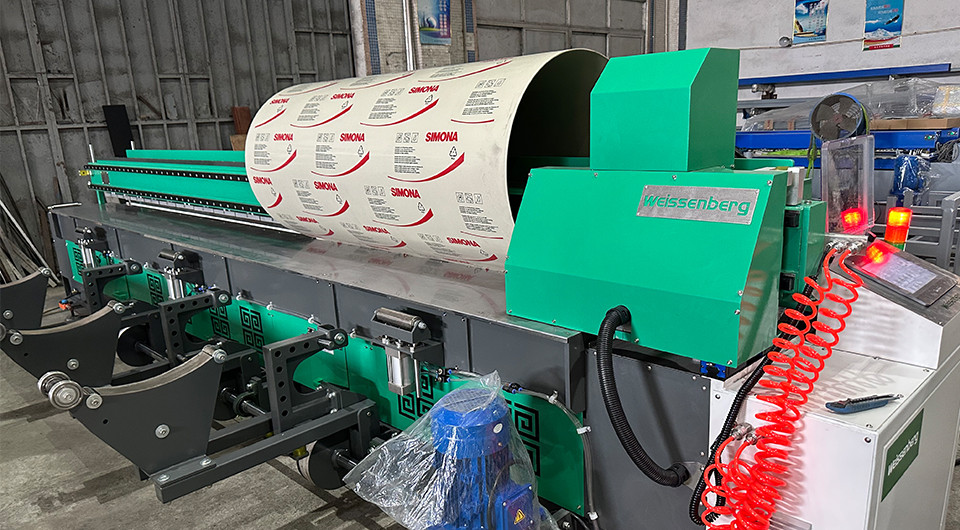
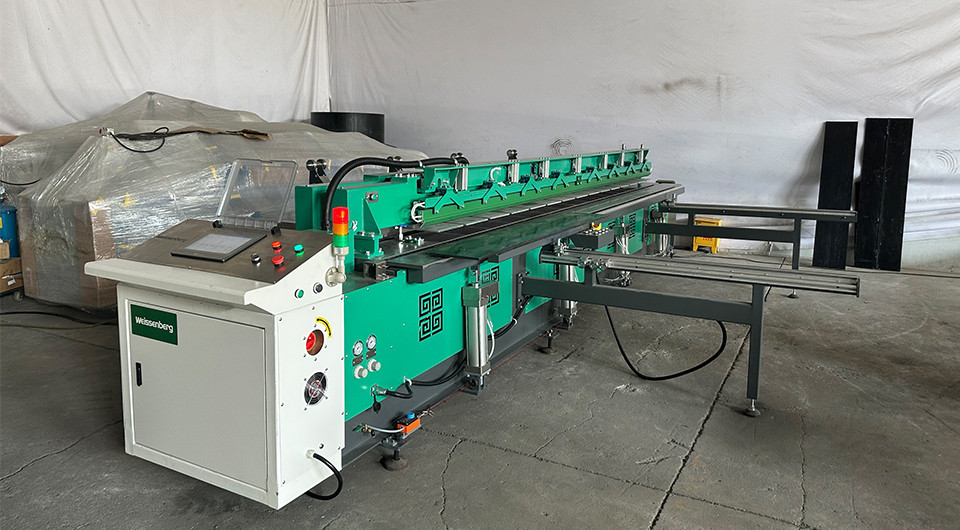
DVS 2207 is the internationally recognized German standard for welded thermoplastic structures. Fabricators who invest in DVS-compliant equipment produce welds with demonstrably higher strength, consistency, and traceability than those using non-certified processes. For customers in chemical processing, water treatment, and environmental engineering, DVS compliance is increasingly a non-negotiable bid requirement. DVS 2207 is the German standard for welding thermoplastics. Published by DVS (German Welding Society), it defines precise parameters for temperature, pressure, and timing when joining PP, PE, PVDF, and PVC through butt welding, extrusion welding, and hot gas welding. Compliance means repeatable, documented, testable weld quality in plastic sheet fabrication. DVS 2207 is a series of guidelines covering different welding processes and material combinations. The most commonly referenced parts include: Each part defines for every material type and thickness the exact window for: heating plate temperature, pre-heating and heat soak duration, changeover time, fusion pressure and speed, and cooling time under pressure. The standard was developed for the German chemical industry where weld failure leads to hazardous chemical leaks, production downtime, and regulatory liability. Parameter ranges are indicative. Refer to the current DVS 2207 publication for exact values per material grade. A fabrication shop producing chemical tanks using non-certified welding may face 15-25% rejection rates. Over a year, rework costs can exceed the price of a DVS-compliant welding machine. Actual rejection rates vary by production process and material type. Three industry trends drive specifications toward DVS 2207: Chemical plants require documented weld integrity for safety audits. DVS compliance satisfies internal quality teams and external regulators. Municipal and industrial water treatment systems need certified welds. Fabricators with DVS compliance win contracts even at a premium. EPC contractors increasingly mandate DVS 2207. Without compliance, fabricators are excluded from bidding on cross-border projects. Adoption of DVS 2207 is accelerating beyond Germany. Four structural trends drive this shift: Several manufacturers offer DVS 2207-compatible butt welding machines. Differentiators include heating plate precision, PLC control capability, supported materials, changeover speed, and regional support. One example is the WeiBond 3000, a mid-format butt welder for tank fabrication combining Siemens PLC automation and ±5 °C heating precision to meet DVS 2207 requirements. DVS compliance must be verified through systematic testing. Four standard methods are used: Over the past several years, fabricators across chemical processing, water treatment, and environmental engineering have increasingly requested documented welding procedures aligned with DVS 2207 before approving projects. Key observations include tightening bid requirements, the limited cost-effectiveness of retrofitting older machines, faster training with PLC-controlled equipment, and dramatically improved inspection confidence. DVS compliance translates directly to business outcomes: qualification for major industrial bids, premium pricing for verifiable quality, stronger customer retention through reliable performance, and readiness for export markets without additional certification hurdles. Yes - it is referenced in engineering contracts across Europe, the Middle East, Southeast Asia, Africa, and South America, often alongside EN 13067. No - it is a technical standard, not a law. But many engineering contracts mandate it, making it a de facto requirement in chemical and water treatment industries. Rarely. Compliance requires ±5 °C temperature control and programmable pressure profiles that manual machines cannot maintain. Through visual inspection, macro-section analysis, and tensile testing as outlined in DVS 2207-1 annexes. Explore related content to deepen your understanding of plastic sheet welding: The difference between DVS 2207-compliant and non-certified welding shows in every measurable dimension of quality: strength, consistency, traceability, and customer confidence. For shops serving regulated industries, DVS compliance is the baseline. The most efficient path is investing in equipment engineered for the standard from day one.
Key Takeaway
What Is DVS 2207?
Quick Checklist: Is Your Plastic Sheet Welding DVS 2207 Compliant?
The Origin and Structure of DVS 2207
Key Parameters Defined in DVS 2207
Parameter
PP
PE / HDPE
PVDF
Heating plate temperature
170-190 °C
200-220 °C
230-260 °C
Heat soak pressure
0.10-0.15 N/mm²
0.10-0.15 N/mm²
0.10-0.15 N/mm²
Changeover time (max)
≤ 5 seconds
≤ 5 seconds
≤ 4 seconds
Fusion pressure
0.10 N/mm²
0.15 N/mm²
0.10 N/mm²
Cooling time per mm
2-4 min/mm
2-4 min/mm
2-3 min/mm
DVS 2207-Compliant vs Non-Certified Welding
Dimension
DVS 2207-Compliant
Non-Certified
Temperature control
Controlled to ±5 °C; real-time monitoring
Often uncontrolled; drift up to ±15 °C
Weld strength
95-100% of parent material; tensile verifiable
60-85% typical; highly variable
Repeatability
Machine-controlled; identical quality across shifts
Varies with operator fatigue and skill
Traceability
Parameters logged per joint; inspection-ready
No formal documentation
Inspection acceptance
Passes visual, macro-section, tensile, and leak tests
Frequent failure under formal inspection
Why End Customers Demand DVS Compliance
Chemical Industry
Water Treatment
International Projects
Industry Insight: Why DVS 2207 Matters Worldwide
Current Market Solutions
Testing Methodology
Industry Experience
Market Advantage
Decision Framework: When DVS Compliance Matters
You Need DVS Compliance If
Non-Certified May Suffice If
FAQ: DVS 2207 for Plastic Sheet Fabrication
Is DVS 2207 recognized outside Germany?
Is compliance mandatory by law?
Can old machines produce DVS-compliant welds?
How do I verify DVS compliance?
Further Reading
Standard References
Final Recommendation