Plastic Tank Fabrication Equipment Setup Guide (2026): What Machines Do You Actually Need?
- Share
- Issue Time
- Mar 27,2026
Summary
Plastic tank fabrication equipment guide for HDPE and PP production. Learn what machines you need, how to choose between integrated and separate systems, and how to set up an efficient fabrication workshop.
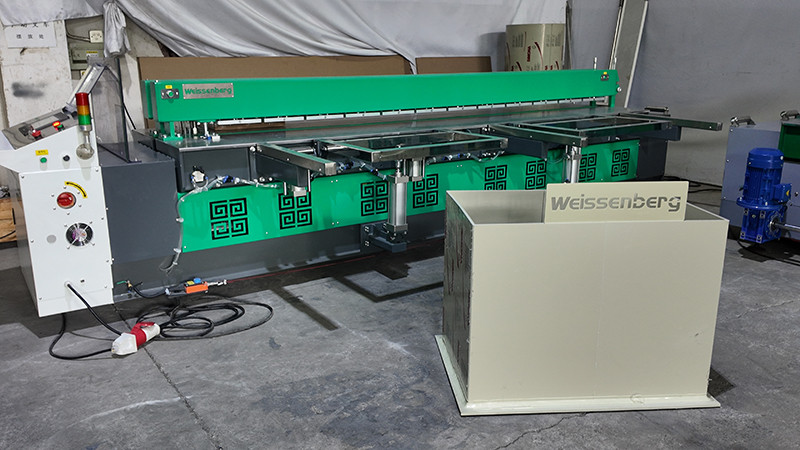
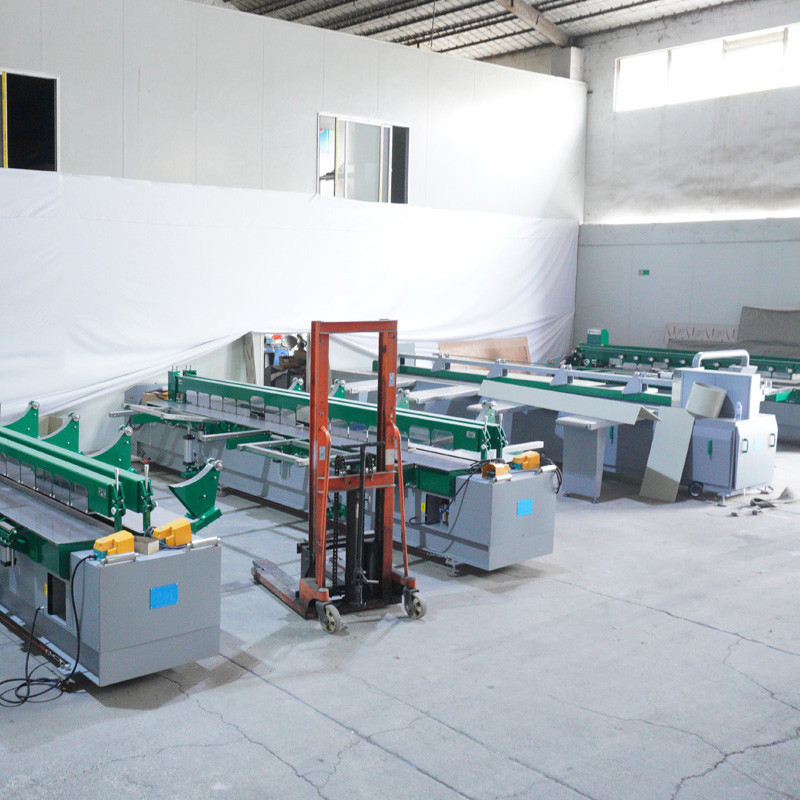
Introduction: Planning a Plastic Tank Fabrication Workshop
If you are planning to start or upgrade a plastic tank fabrication workshop, one of the first questions is:
👉 What machines do you actually need?
In practice, the challenge is not understanding welding itself, but building a complete, efficient, and scalable production workflow—from sheet preparation to welding, forming, and final assembly.
The right equipment setup directly determines:
• Production efficiency
• Welding consistency
• Long-term operating stability
Understanding the Real Workflow of Tank Fabrication
Plastic tank fabrication is not a single process, but a combination of coordinated steps:
• Sheet cutting
• Sheet welding
• Sheet bending or rolling
• Assembly and reinforcement
Each step affects the next. A mismatch in equipment capability often leads to production bottlenecks later.
What Machines Are Actually Required?
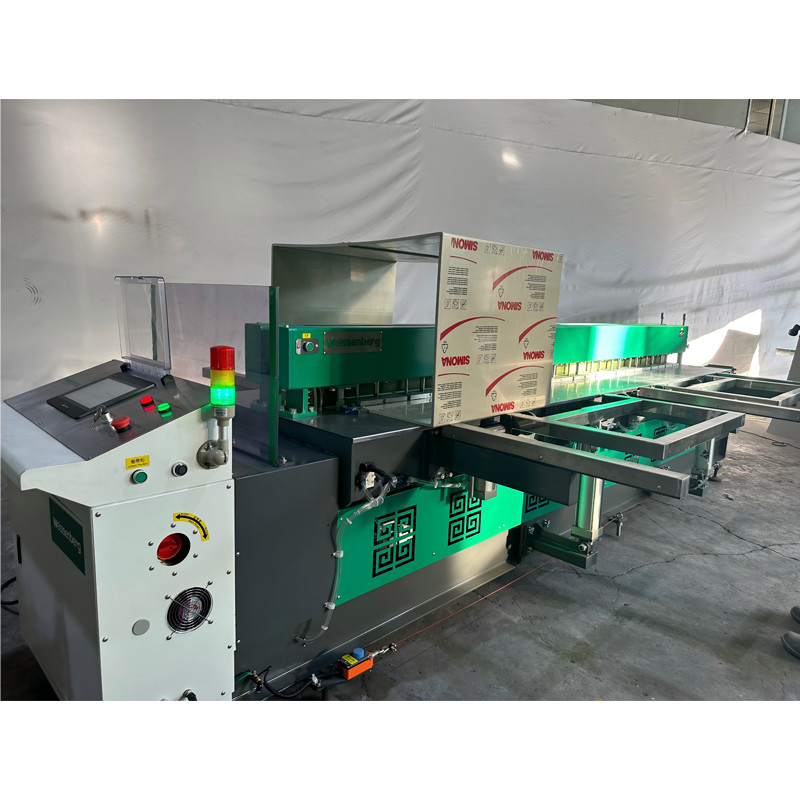
1. Plastic Sheet Butt Welding Machine
Butt welding is the core process for joining thermoplastic sheets.
👉 A plastic sheet butt welding machine is the core equipment in tank fabrication.
A plastic sheet butt welding machine ensures strong, uniform joints, especially for flat panels and structural components.
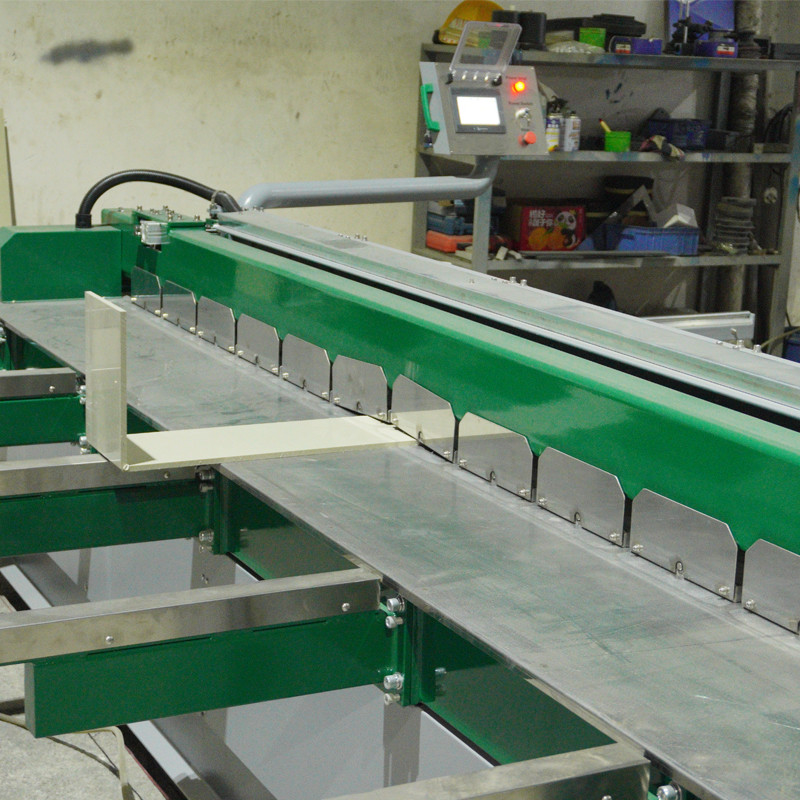
2. Plastic Sheet Bending Machine
Bending is used to form edges, angles, and structural components.
👉 A plastic sheet bending machine provides controlled heating and accurate angle forming.
This directly affects dimensional stability and consistency in production.
3. Rolling Capability (for Cylindrical Tanks)
For round tanks, sheet rolling is required before welding.
In many workshops, rolling is either integrated into the welding system or handled as a combined function.
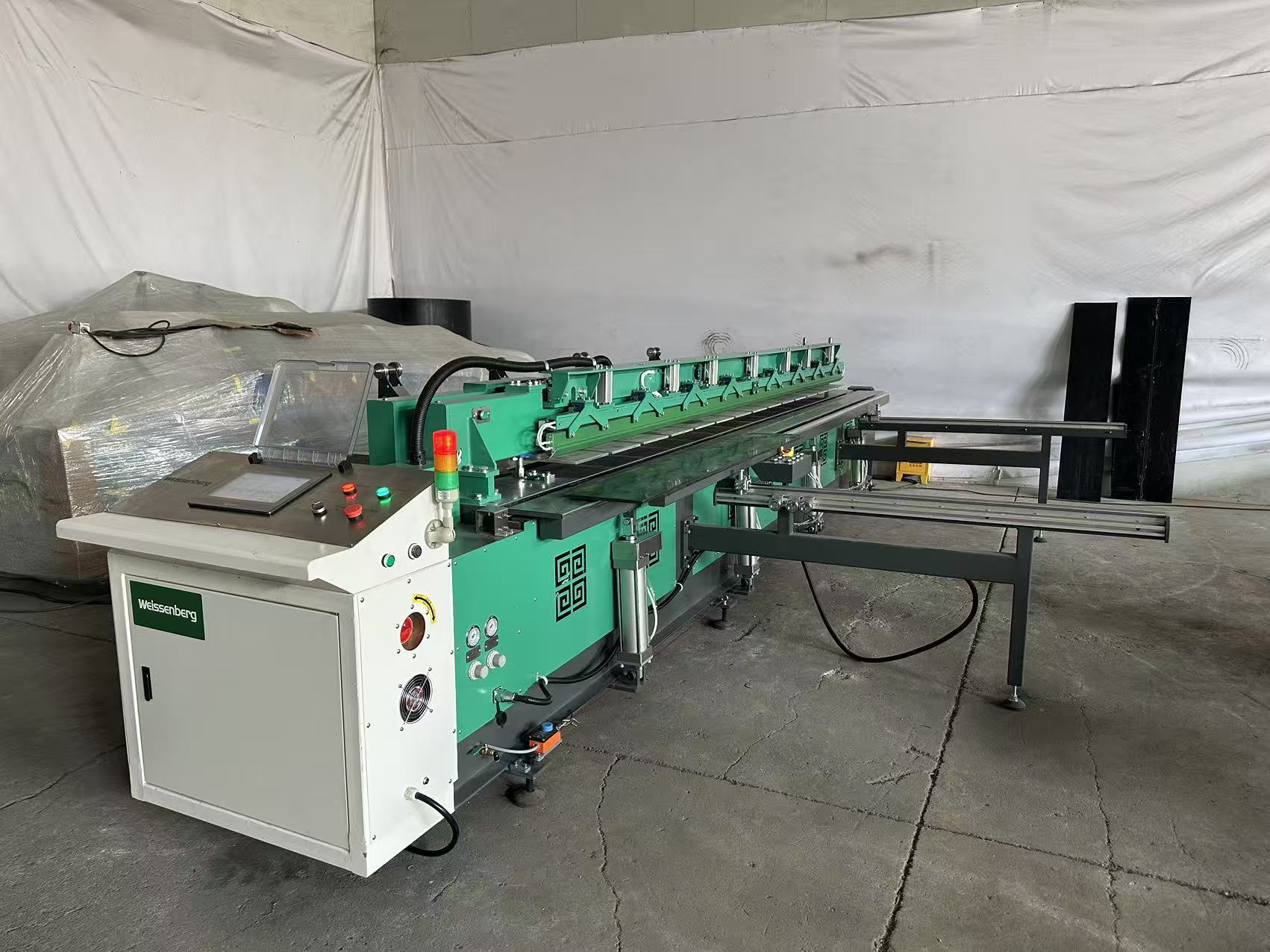
4. Integrated Welding & Bending Machine
An integrated plastic sheet welding and bending machine is especially useful for plastic tank fabrication workshops.
It combines:
• Welding
• Rolling
• Bending
into one platform.
This is often used when space or budget is limited, or when production needs flexibility.
5. CNC Cutting Machine
Ensures precise sheet preparation before welding.
Accurate cutting reduces alignment issues and improves overall fabrication quality.
6. Extrusion Welder
Used for:
• Corner joints
• Internal reinforcement
• Structural sealing
This step is critical for final tank integrity.
Integrated Machine vs Separate Machines
Choosing the right configuration depends on your production stage.
Integrated machine:
• Lower investment
• Compact layout
• Easier workflow management
Separate machines:
• Higher throughput
• Better for thick materials
• More stable for long production runs
👉 In many cases, workshops start with an integrated machine and transition to separate equipment as production increases.
Choosing Equipment by Sheet Thickness
Thickness determines machine capability requirements.
• 3–10 mm
Standard systems are sufficient
• 10–25 mm
Requires better temperature stability and structural rigidity
• Above 25 mm
Bending often requires additional processing, such as V-grooving
Small Workshop vs Large Factory: Equipment Setup Comparison
| Item | Small Workshop | Large Factory |
| Production scale | Custom / low volume | Standardized / high volume |
| Equipment | Integrated system | Separate machines |
| Investment | Lower | Higher |
Efficiency | Medium | High |
Space | Compact | Larger required |
Thickness handling | Medium | Stronger capability |
Flexibility | High | Process-optimized |
For smaller operations, integrated systems reduce complexity and allow faster setup.
For larger factories, dedicated machines improve efficiency, consistency, and scalability.
Typical Equipment Setups for Different Workshops
In practice, most customers fall into one of the following configurations:
▶ Entry-Level Workshop Setup
• Integrated welding & bending machine
• Basic cutting solution
• Extrusion welder
👉 Suitable for:
• Small production
• Custom tanks
• Limited workshop space
▶ Standard Production Setup
• Butt welding machine
• Bending machine
• Rolling capability
• CNC cutting machine
• Extrusion welder
👉 Suitable for:
• Regular tank production
• Medium production volume
• Stable product types
▶ Advanced Industrial Setup
• Multiple butt welding machines
• Dedicated bending system
• Automated or CNC cutting line
• High-capacity extrusion welding
👉 Suitable for:
• Large-scale production
• Thick material processing
• Continuous manufacturing
👉 Most workshops evolve step by step rather than investing in a full setup from the beginning.
What European Buyers Should Consider
For European markets, compliance and process standards are essential.
• CE certification ensures machine safety
• DVS 2207 guidelines define welding quality
These standards are critical not only for compliance but also for long-term production reliability.
Choosing the Right Setup for Your Application
There is no universal solution.
The right setup depends on:
• Material type (HDPE, PP, PVDF)
• Sheet thickness
• Tank structure
• Production volume
Understanding your actual production scenario is more important than choosing a specific machine.
Final Note
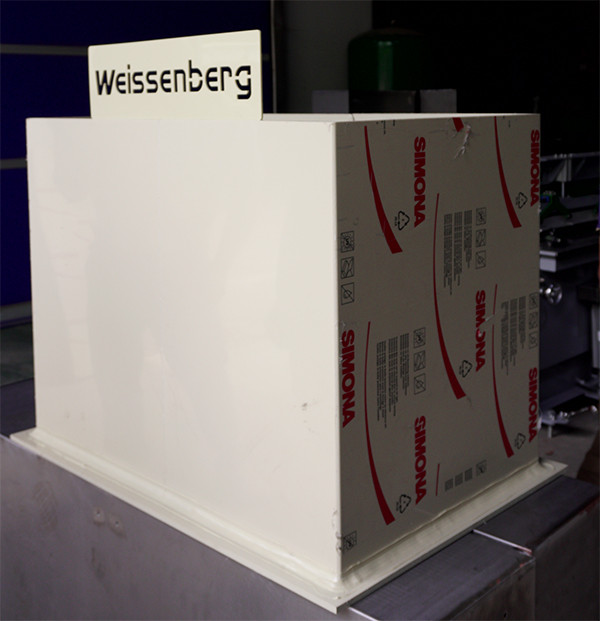
In plastic tank fabrication, equipment selection is not just about machines — it is about building a stable and efficient production system.
Every workshop has different requirements depending on material, thickness, and product design.
If you already have a project in mind, sharing these details will help define a more suitable setup.
If not, we can help you evaluate your application step by step and recommend a practical solution.
👉 You are welcome to contact us to discuss your project.