Why Some Plastic Sheet Welding Machines Perform Better Than Others: 7 Engineering Differences Every Buyer Should Know
- Share
- Issue Time
- Jul 7,2026
Summary
Discover the engineering factors that determine the quality of a plastic sheet welding machine. Learn how software, pressure control, automation and machine design influence welding performance and long-term reliability.
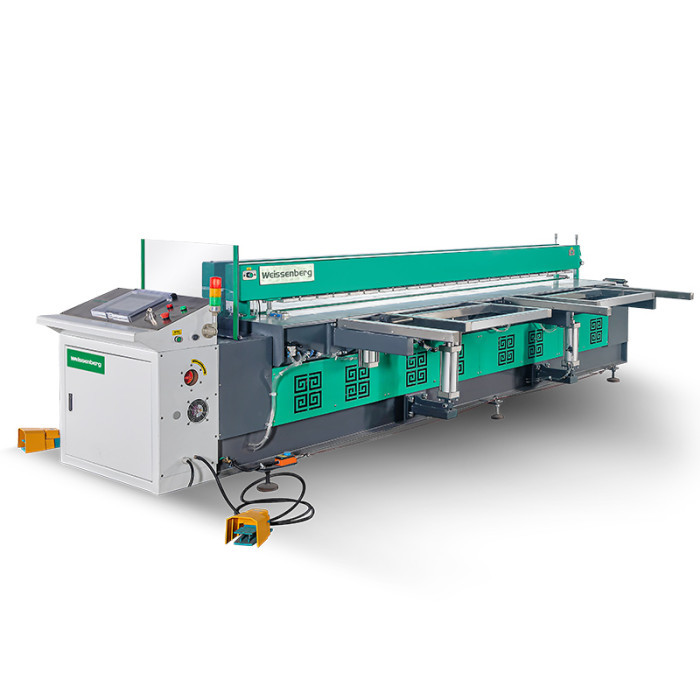
When comparing plastic sheet welding machines, most buyers begin with the specification sheet.
Working length, sheet thickness, heating plate size and PLC brand are all important, but they do not tell the whole story.
Two machines may offer similar specifications while delivering completely different performance after several years of production.
The difference is rarely visible from the outside. It is determined by the engineering decisions behind the machine—from software architecture and pressure control to mechanical design and long-term reliability.
For manufacturers producing chemical storage tanks, water treatment equipment, electroplating equipment and other industrial thermoplastic products, understanding these engineering differences is often more valuable than comparing purchase prices.
1. Engineering Starts Before the Machine Is Built
Professional manufacturers do not begin by selecting components.
They begin by designing the welding process.
Heating, pressure, movement and cooling must work together as one complete system. This engineering approach produces more consistent welds, better repeatability and greater long-term reliability than machines assembled only from standard industrial components.
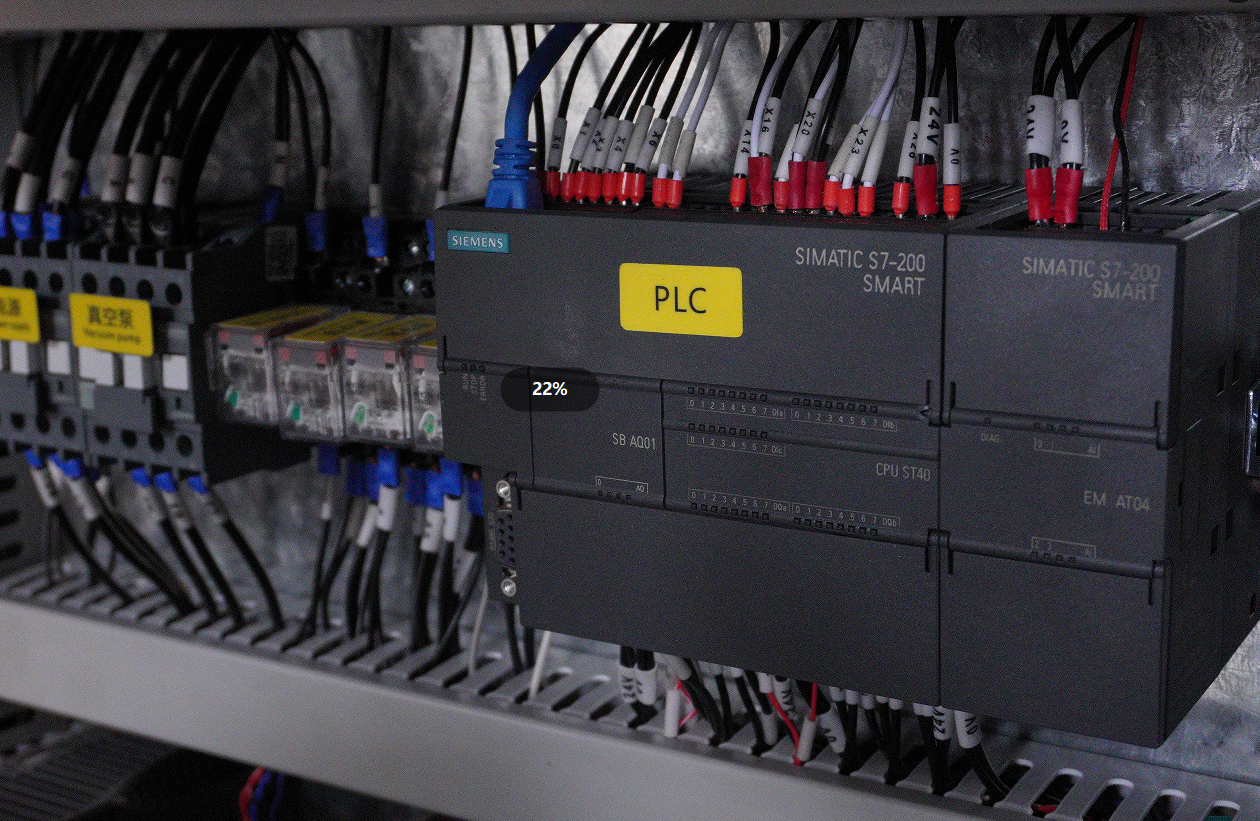
2. The PLC Is Only the Hardware
Many buyers ask whether a machine uses a Siemens PLC.
While hardware is important, the software running inside the PLC determines how the machine actually performs.
A well-developed control system manages:
• Automatic welding cycles
• Heating sequences
• Pressure transitions
• Recipe management
• Safety protection
• Production consistency
Manufacturers that continuously develop their own control software can improve machine performance over time rather than relying solely on standard PLC programming.
3. Pressure Stability Determines Weld Quality
Pressure is one of the most important factors during butt welding.
Small pressure fluctuations can affect bead formation, joint strength and welding consistency.
For this reason, engineering-oriented manufacturers increasingly use Japanese SMC electro-pneumatic proportional valves, allowing welding pressure to change smoothly throughout every stage of the welding cycle.
Accurate pressure regulation becomes even more important when welding thick HDPE, PP and PVDF sheets.
4. Buy for Tomorrow, Not Just Today
Many manufacturers purchase equipment based only on current production requirements.
However, industrial projects continue to grow in size, requiring thicker thermoplastic sheets and larger fabricated structures.
Choosing equipment with greater welding capacity provides flexibility for future business growth and reduces the need for additional equipment investment.
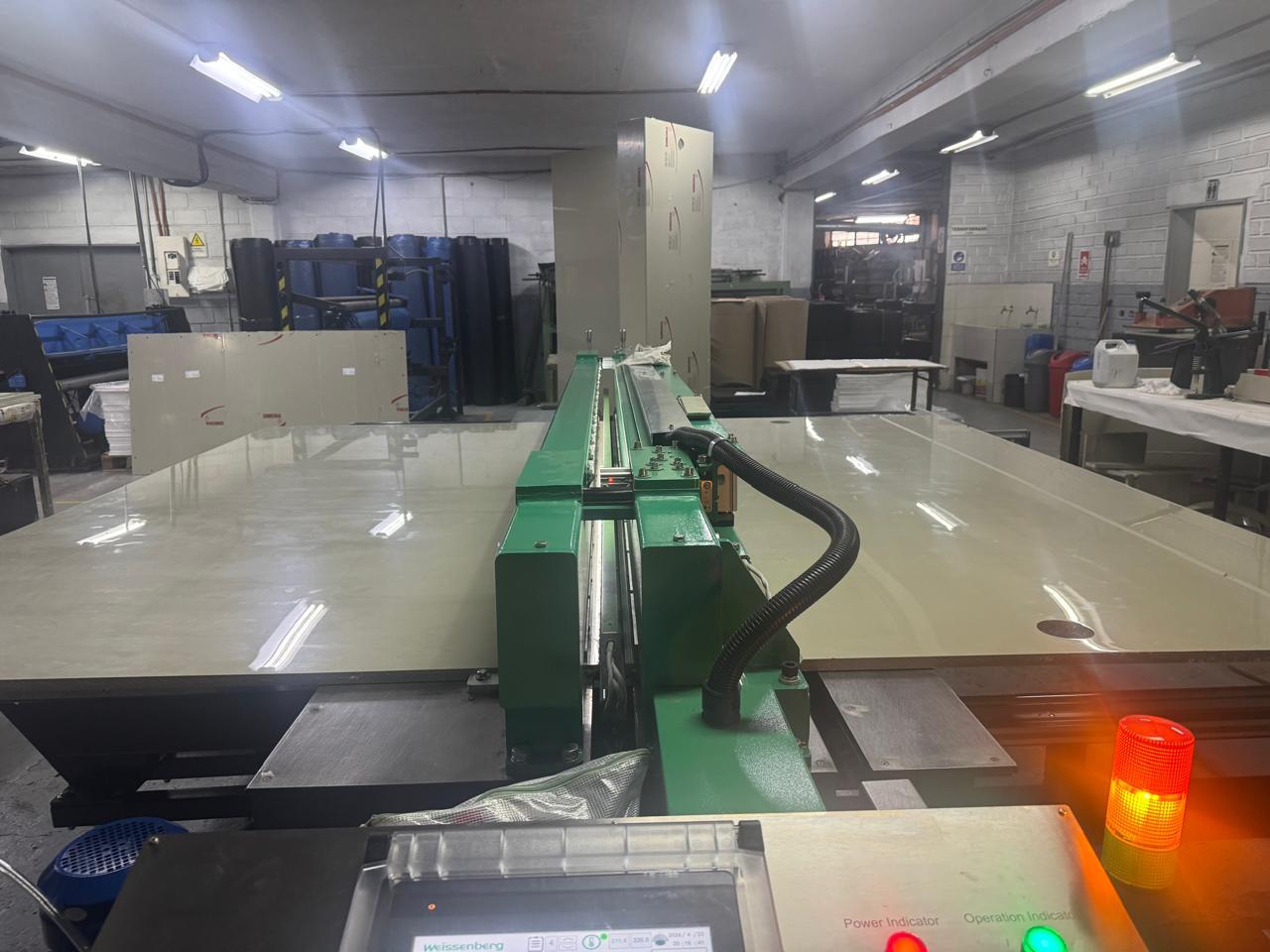
Some industrial plastic sheet welding machines now support butt welding up to 60 mm, making them suitable for demanding applications such as chemical storage tanks, water treatment equipment and semiconductor process systems.
5. Digital Manufacturing Is Becoming the Industry Standard
Modern fabrication is no longer only about producing strong welds.
Customers increasingly expect production traceability and documented quality records.
Engineering-oriented manufacturers therefore integrate functions such as:
• Welding parameter storage
• Welding report printing
• Production records
• Remote software upgrades
At Weissenberg, these functions are combined with proprietary welding control software developed through years of practical industrial welding experience, allowing manufacturers to improve consistency while simplifying quality management.
6. Rolling Accuracy Is Just as Important as Welding Accuracy
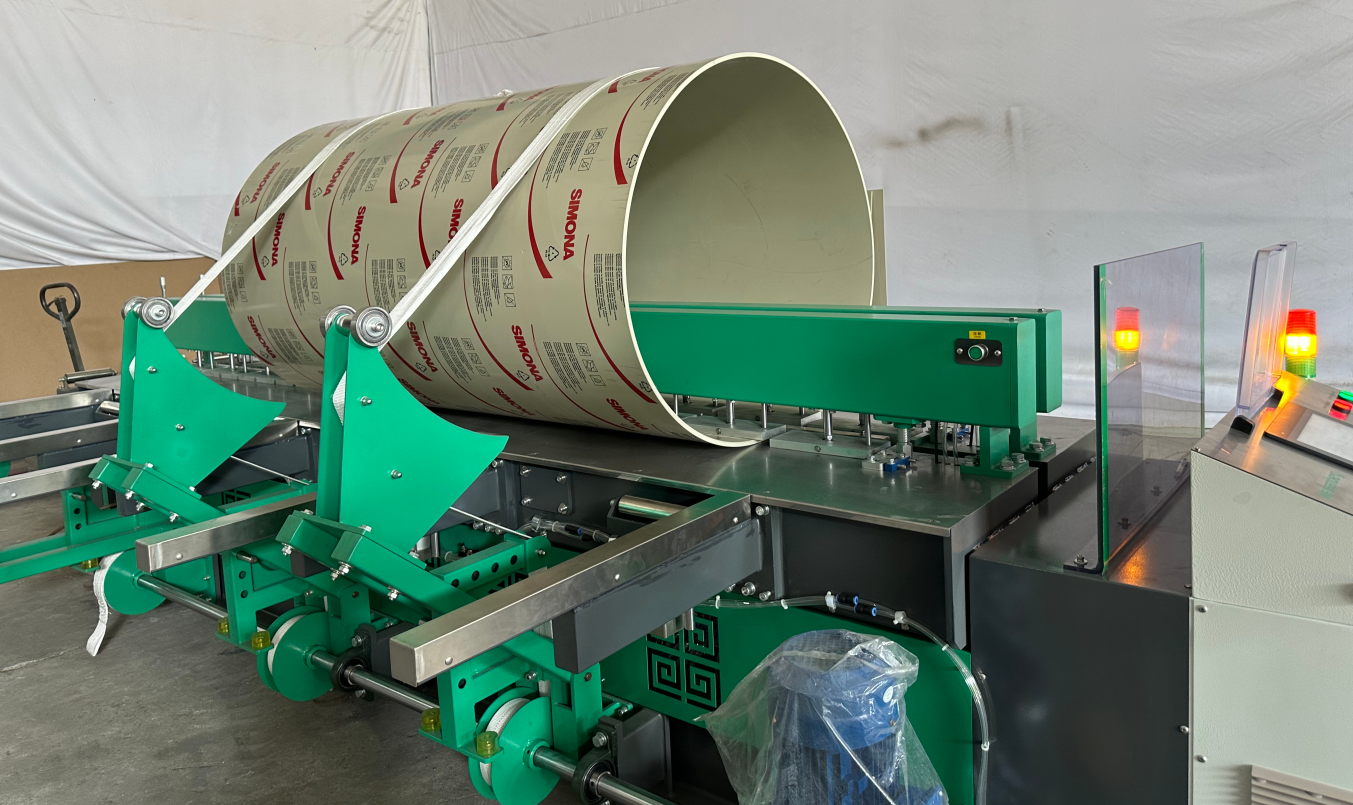
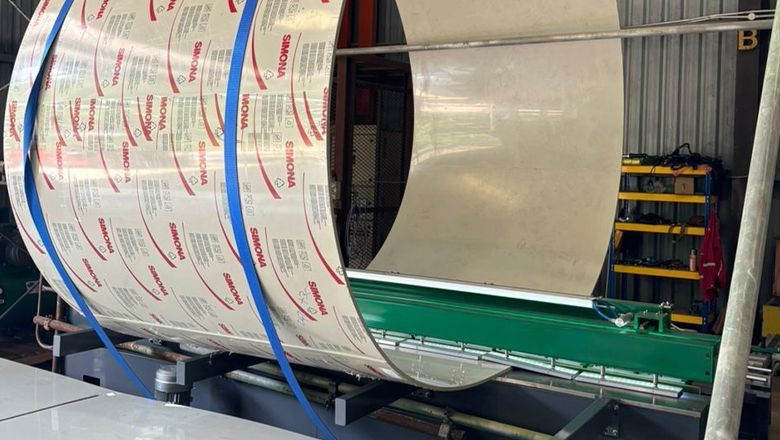
For manufacturers producing cylindrical tanks, rolling quality directly affects final assembly.
Independent rolling control systems with dedicated motors provide smoother operation, better cylinder roundness and easier speed adjustment than conventional integrated drive systems.
Although often overlooked during equipment selection, rolling performance has a significant impact on production efficiency.
7. Long-Term Reliability Creates Better Value
The lowest purchase price rarely represents the lowest manufacturing cost.
Reliable equipment reduces downtime, minimizes maintenance and delivers more consistent production over many years.
This is why experienced buyers evaluate more than specifications.
They also consider software development capability, engineering experience, technical support and the manufacturer's ability to continue improving the equipment after installation.
How Weissenberg Applies These Engineering Principles
Rather than competing solely on price, Weissenberg focuses on engineering solutions designed for professional industrial fabrication.
Its development philosophy combines:
• Engineering experience inherited from RIYANG
• Proprietary welding control software
• Siemens PLC automation
• Japanese SMC electro-pneumatic proportional valves
• Welding parameter storage and report printing
• Remote software upgrade capability
• Independent rolling control system with a dedicated motor
• Butt welding capacity up to 60 mm
These technologies work together as a complete production platform for manufacturers producing chemical tanks, water treatment equipment, electroplating systems and other high-performance thermoplastic fabrications.
Final Thoughts
Not all plastic sheet welding machines are built to the same engineering standard.
While specifications may appear similar, differences in software development, pressure control, machine design and manufacturing experience have a significant impact on welding quality and long-term production performance.
For manufacturers planning long-term investment, understanding these engineering differences is often more valuable than simply comparing quotations.
Need Help Choosing the Right Machine?
Every fabrication project has different production requirements.
Sheet material, thickness, product dimensions, automation level and daily output all influence the ideal machine configuration.
If you're unsure which solution best fits your production needs, our engineers can recommend the most suitable machine based on your application and manufacturing goals.
Whether you're producing HDPE chemical tanks, PP process equipment, PVDF systems or custom thermoplastic fabrications, we're happy to help.