HDPE Chemical Tank Fabrication: Welding Machines and Production Process
- Share
- Issue Time
- Mar 6,2026
Summary
Learn how HDPE chemical tanks are fabricated, including welding methods, tank production processes, and the welding machines used in industrial tank manufacturing.
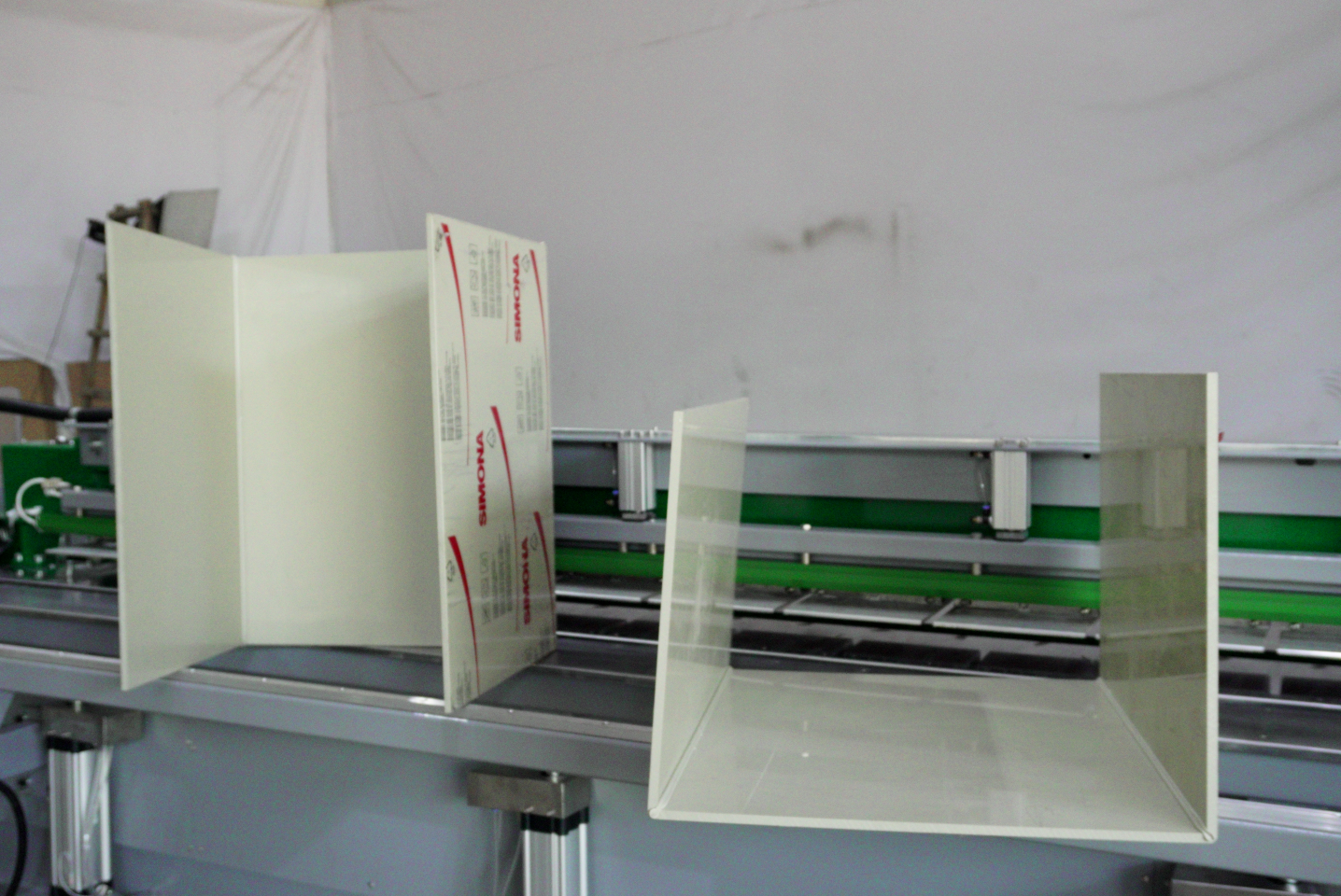
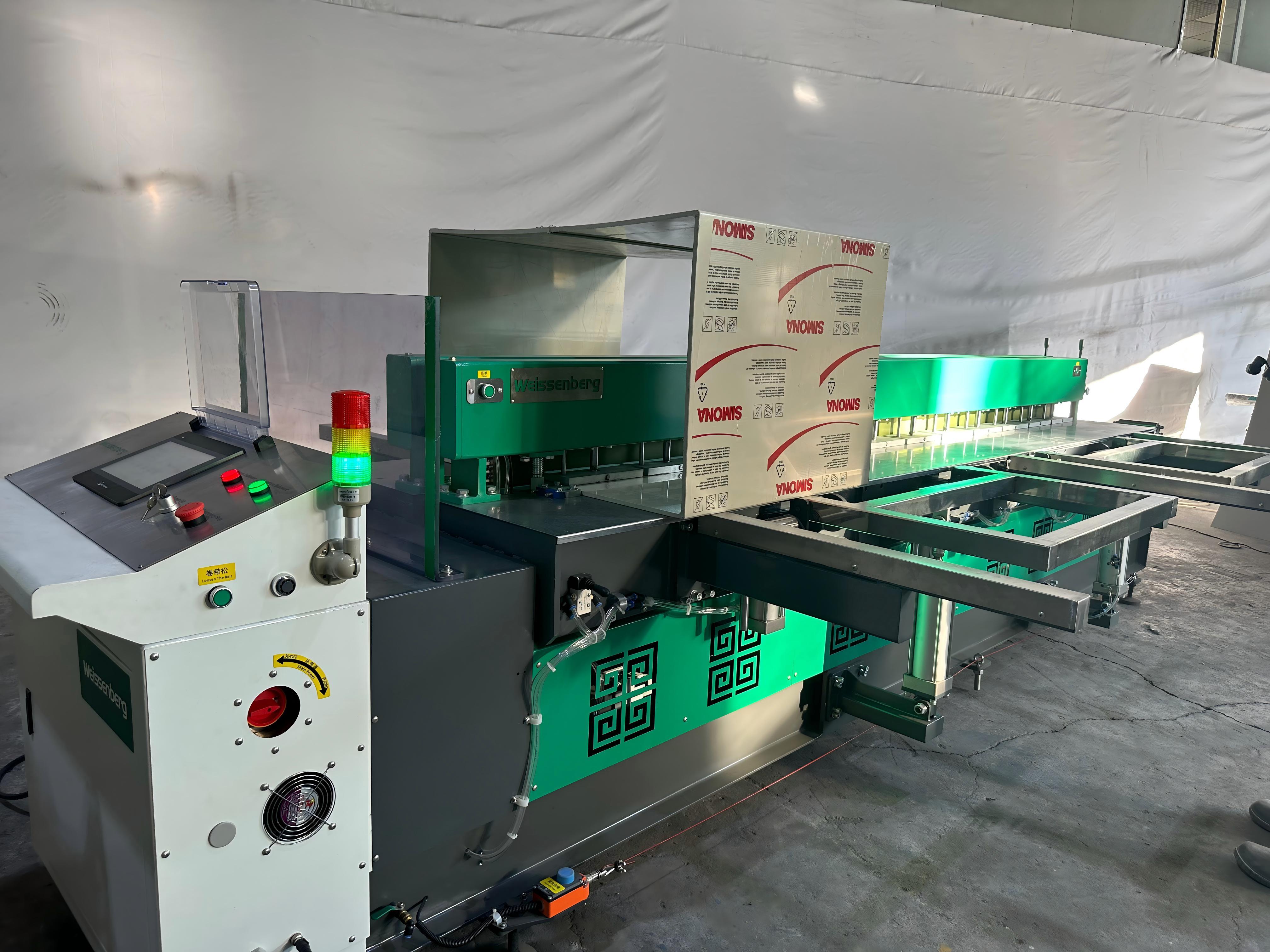
Introduction
This article focuses on the fabrication process and technical considerations of HDPE chemical tanks. In modern industrial manufacturing, HDPE chemical tank fabrication has become one of the most reliable solutions for chemical storage systems. Thanks to its excellent corrosion resistance, durability, and lightweight structure, HDPE tanks are widely used in chemical processing plants, wastewater treatment facilities, and industrial production lines.
Compared with traditional metal tanks, HDPE chemical tank fabrication allows manufacturers to build customized storage tanks by welding plastic sheets together. This fabrication method provides greater design flexibility and superior resistance to aggressive chemicals.
In this guide, we will explain the HDPE chemical tank fabrication process and how it fits into the broader industrial plastic tank fabrication process.
Why HDPE Is Used for Chemical Storage Tanks
High-density polyethylene (HDPE) has become one of the most widely used materials for industrial chemical storage tanks.
Key advantages include:
• Excellent resistance to acids, alkalis, and aggressive chemicals
• High impact strength and durability
• Lightweight compared with steel tanks
• Long service life in corrosive environments
• Excellent weldability for fabrication
Because HDPE is a thermoplastic material, large tanks can be fabricated by welding plastic sheets together, making it ideal for custom industrial tank projects.
Typical HDPE tank applications include:
• Chemical storage tanks
• Wastewater treatment tanks
• Electroplating tanks
• Industrial processing tanks
• Water treatment systems
HDPE Chemical Tank Fabrication Process
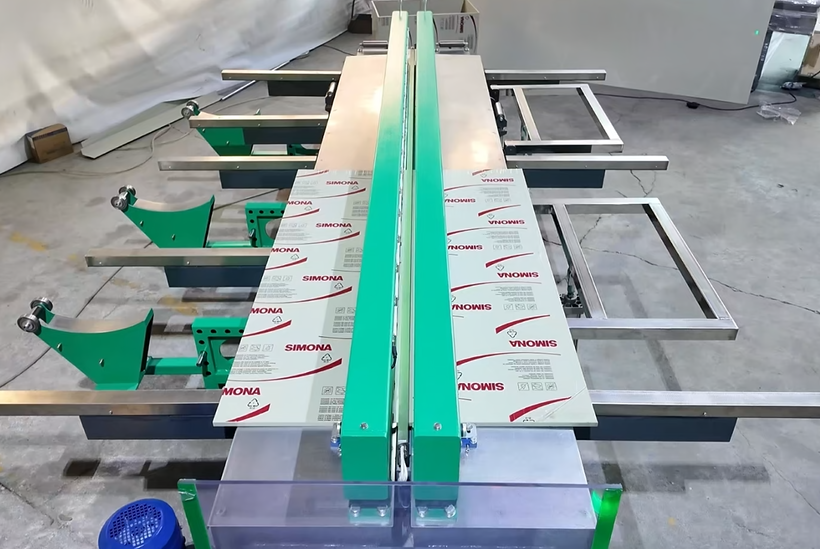
The HDPE chemical tank fabrication process generally follows a structured manufacturing workflow.
1. HDPE Sheet Cutting
HDPE sheets are first cut according to the tank design. CNC cutting systems are often used to ensure high precision and smooth welding edges.
2. Panel Alignment
The tank panels are carefully aligned before welding. Proper alignment ensures uniform weld seams and prevents structural deformation.
3. Butt Welding of HDPE Sheets
One of the most critical steps in HDPE chemical tank fabrication is butt welding.
During butt welding:
1. A heating plate heats the edges of the HDPE sheets.
2. The heated surfaces are pressed together under controlled pressure.
3. The joint cools and forms a single continuous material.
This process creates extremely strong weld joints that can withstand industrial operating conditions.
In most fabrication workshops, this process is performed using plastic sheet butt welding machines, which ensure stable heating temperature and consistent welding pressure when joining large HDPE panels.
Reinforcement and Secondary Welding
Large HDPE tanks require additional structural reinforcement to prevent deformation during long-term use. Proper reinforcement design is essential for maintaining tank stability and structural safety.
Common reinforcement structures include:
1. Horizontal reinforcement ribs
2. Corner strengthening structures
3. Nozzle collar reinforcement
These reinforcement elements are typically welded using plastic extrusion welding machines, which deposit molten HDPE material along the joint.
Extrusion welding is ideal for:
• Rib welding
• Corner joints
• Pipe connections and nozzles
Welding Machines Used in HDPE Tank Fabrication
Several types of welding equipment are used in industrial plastic tank fabrication workshops.
Plastic Sheet Butt Welding Machines
These machines weld the main structural panels of HDPE tanks.
Key advantages include:
• Accurate temperature control
• Uniform welding pressure
• High weld strength for thick HDPE sheets
For large industrial tanks, butt welding machines are the core production equipment used in plastic sheet fabrication workshops.
Plastic Extrusion Welding Machines
Extrusion welders are used for reinforcement welding, including ribs, corners, and pipe connections.
They provide flexibility for complex welding structures and additional structural strength.
Engineering Example: HDPE Chemical Storage Tank
A typical industrial HDPE tank may have the following specifications:
Material: HDPE
Sheet thickness: 20 mm
Tank capacity: 50 m³
Structural features:
• Butt-welded HDPE panels
• Extrusion-welded reinforcement ribs
• Reinforced nozzle collars
After fabrication, tanks usually undergo hydrostatic pressure testing to verify weld strength and leak resistance.
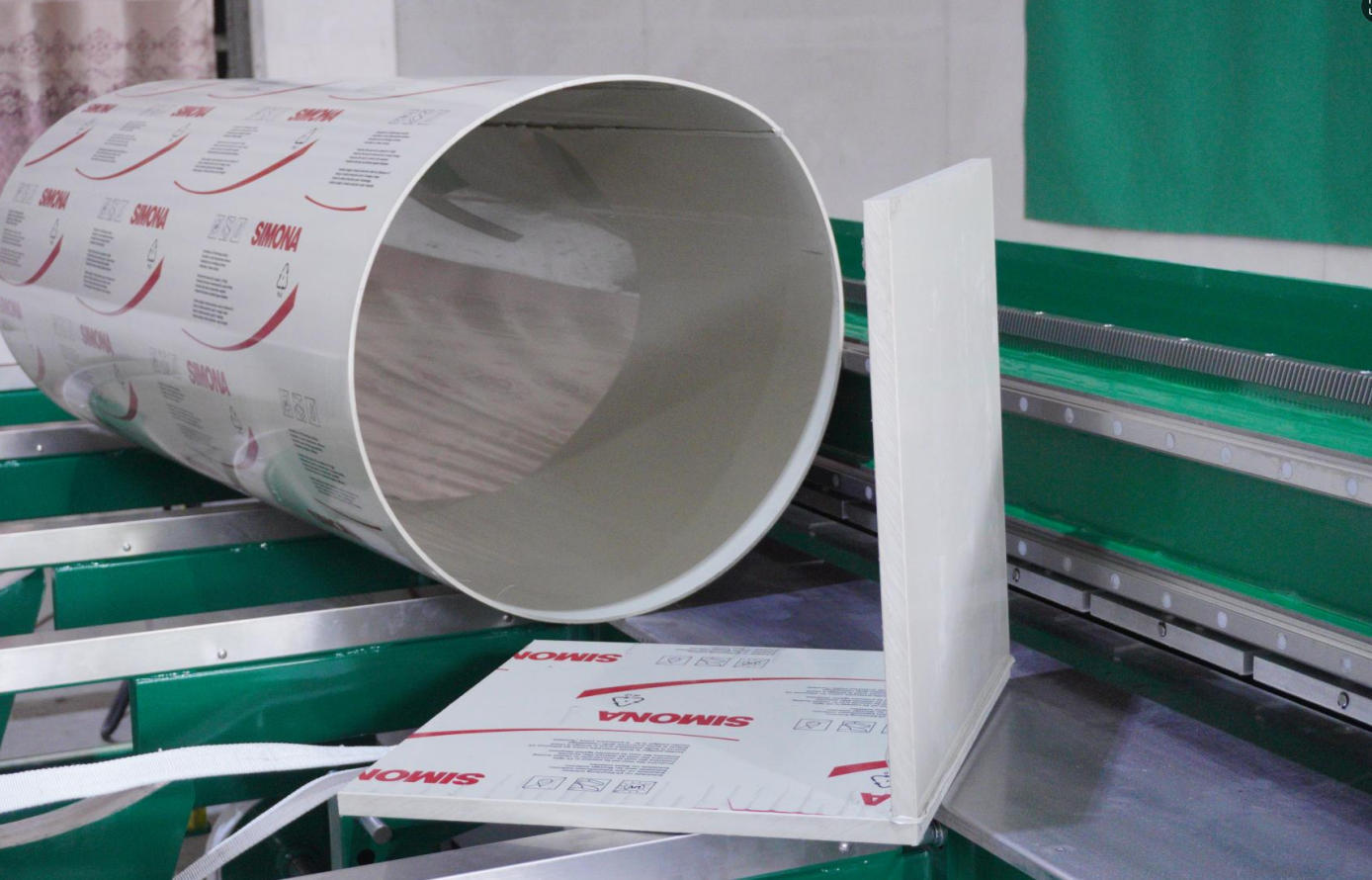
If you are working on similar projects, choosing the right equipment is critical.
You are welcome to contact us to discuss your requirements.
Common Applications of HDPE Chemical Tanks
HDPE tanks fabricated through welding processes are widely used in many industries.
Typical applications include:
• Chemical storage systems
• Wastewater treatment plants
• Industrial processing tanks
• Electroplating equipment
• Water treatment facilities
Because welded HDPE tanks can be customized in size and shape, they are widely used in industrial engineering projects.
Quality Control in HDPE Tank Fabrication
To ensure reliability and safety, HDPE tanks undergo several quality inspection procedures.
Typical quality control steps include:
• Visual inspection of weld seams
• Dimensional verification
• Leak testing
• Hydrostatic pressure testing
Strict welding procedures and proper equipment calibration are essential to ensure long-term tank performance.
Frequently Asked Questions
1. How are HDPE chemical tanks fabricated?
HDPE tanks are fabricated by cutting plastic sheets and welding them together using butt welding and extrusion welding techniques.
2. What welding machines are used for HDPE tanks?
Most fabrication workshops use plastic sheet butt welding machines for panel welding and plastic extrusion welding machines for reinforcement structures.
3. What thickness HDPE sheets are used for chemical tanks?
Industrial HDPE tanks typically use sheet thicknesses ranging from 10 mm to 40 mm, depending on tank size and design requirements.
Conclusion
HDPE chemical tank fabrication combines material engineering, welding technology, and structural design.
By using reliable welding equipment such as plastic sheet butt welding machines and extrusion welders, manufacturers can produce durable chemical storage tanks capable of operating in demanding industrial environments.
If you are planning to build or upgrade a plastic tank fabrication workshop, selecting the right welding equipment is essential for ensuring production efficiency and consistent weld quality.
For a complete overview, refer to our plastic tank fabrication guide.