6m vs 8m Plastic Sheet Butt Welding Machine: Which One Do You Really Need?
- Share
- Issue Time
- Apr 8,2026
Summary
Compare 6m tic sheet butt welding machines and learn which solution is suitable for large HDPE tank fabrication and industrial applications.
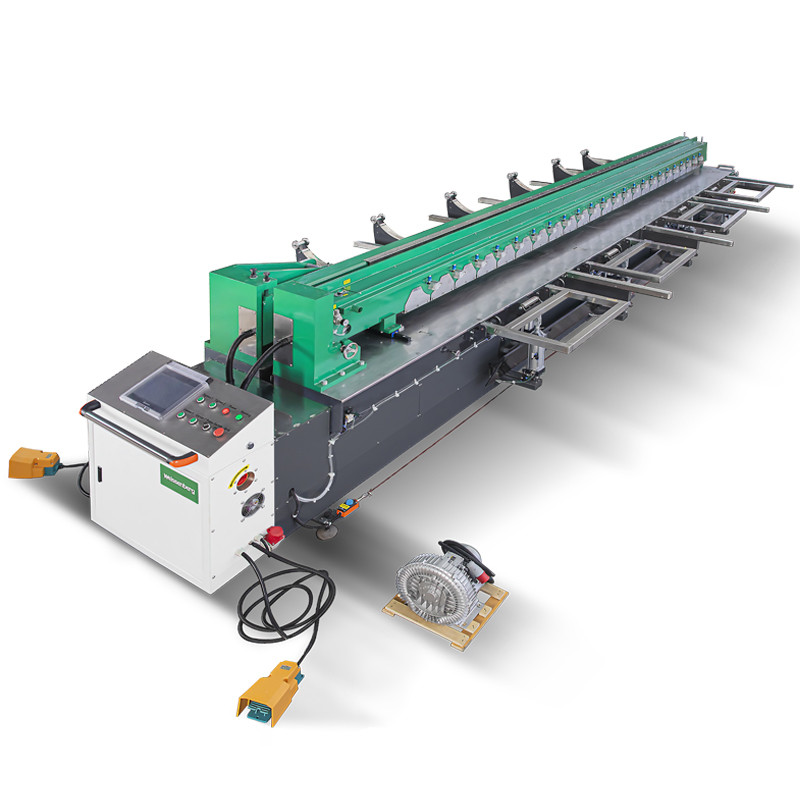
Introduction: Is a 6m Machine Still Enough?
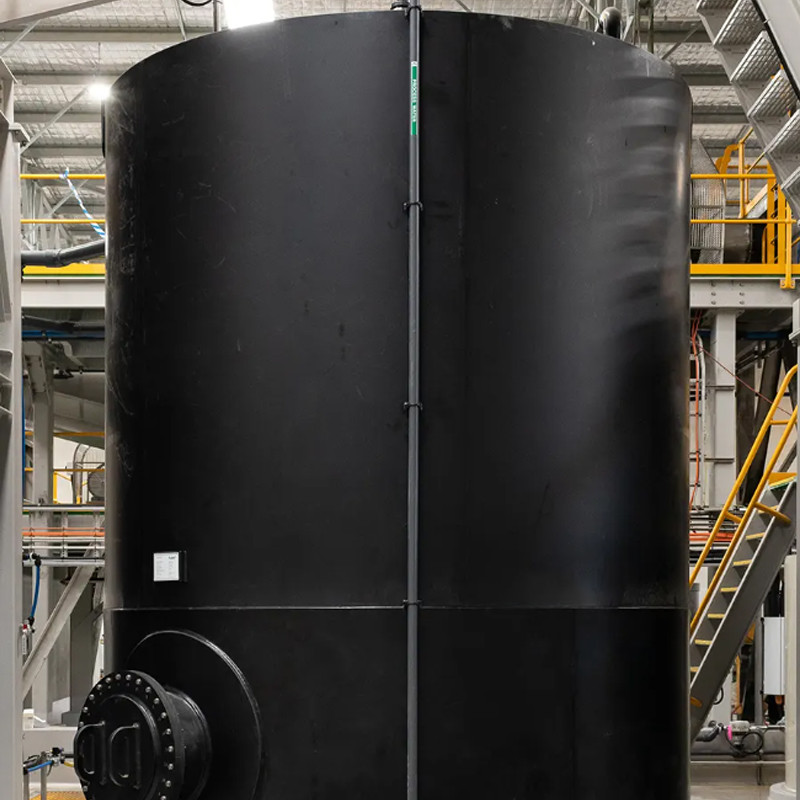
This article helps fabricators evaluate whether standard or extended capacity machines are suitable for their production. In plastic tank fabrication and environmental equipment manufacturing, plastic sheet butt welding machines are essential.
For many years, machines with a working length of 4–6 meters have been considered standard in the market.
However, as projects continue to evolve, fabricators are increasingly working with:
• Larger panel sizes
• Thicker materials
• More demanding structural requirements
👉 This raises an important question:
Is a 6-meter machine still enough for today’s projects?
Market Reality: 4–6m Machines Are the Industry Standard
Most plastic sheet butt welding machines available today are designed for:
• Panel lengths up to 4–6 meters
• Medium-sized fabrication projects
• Standard tank production
For many workshops, these machines are still widely used and remain suitable for certain applications.
When a 6m Machine Is Enough
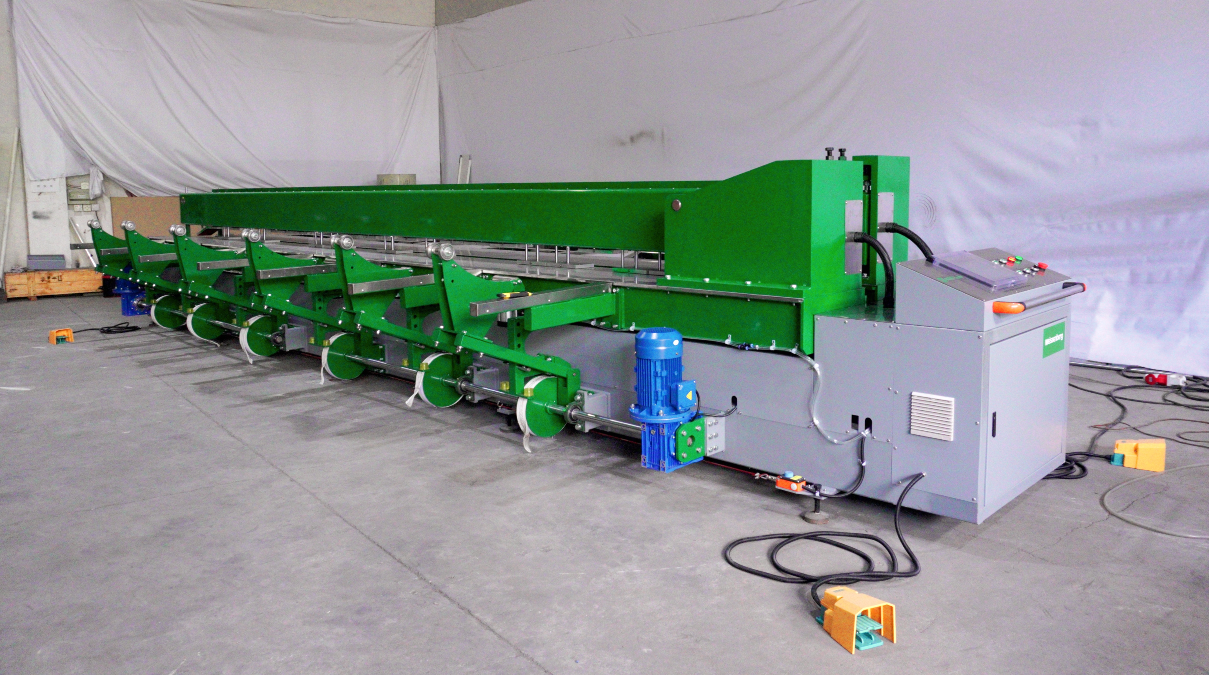
A 6m machine can be a practical choice when:
• Tank size is relatively small
• Panel width is within 3–6 meters
• Material thickness is moderate
• Production volume is not very high
👉 In these cases, a standard machine can meet basic fabrication requirements.
The Problem: When Projects Become Larger
As tank sizes increase, the limitations of a 6m machine become more noticeable.
When panel size exceeds machine capacity, fabricators must:
• Divide panels into smaller sections
• Perform multiple welding operations
• Increase the number of weld seams
This often leads to:
• Lower production efficiency
• Higher labor cost
• Greater risk of welding inconsistency
More potential leakage points
👉 In many cases, the challenge is not the design—it is the machine limitation.
👉 Mid-Article Insight
If you are working on similar projects, equipment capability often becomes a key factor affecting both efficiency and welding quality.
👉 Choosing the right plastic sheet butt welding machine can significantly reduce welding seams and improve production consistency.
👉 You are welcome to contact us to discuss your material, thickness, and project requirements—we can help you evaluate a suitable solution based on real production experience.
Why Extended Capacity Becomes Important
For larger fabrication projects, standard machine ranges may no longer be sufficient.
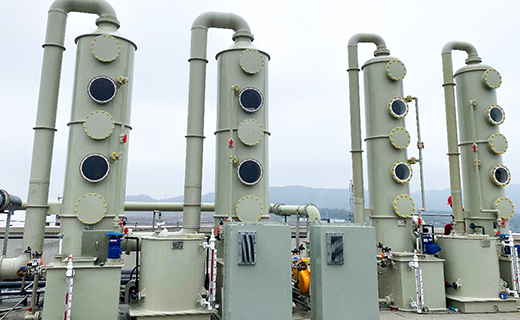
👉 In such cases, extended working length solutions (up to 8 meters) can be engineered based on specific project requirements.
These solutions allow fabricators to:
• Handle larger panels in a single setup
• Reduce welding seams
• Improve welding consistency
• Increase overall production efficiency
👉 Fewer weld seams directly contribute to better structural integrity and long-term reliability.
6m vs Extended Capacity: Key Differences
| Item | 6m Machine | Extended Capacity (Up to 8m) |
Working length | Up to 6m | Up to 8m (engineered solution) |
Panel handling | Medium | Large panels |
Number of weld beads | More | Reduced |
| Efficiency | Moderate | Higher |
| Structural reliability | Good | Improved |
Typical Applications
Extended capacity solutions are particularly suitable for:
• Large HDPE chemical storage tanks
• Fire water tanks
• Environmental equipment (scrubbers)
• Large industrial plastic structures
👉 In these applications, panel size and structural requirements continue to increase.
Related Reading
Similar challenges can also be found in large tank fabrication.
👉 You can refer to our guide on HDPE chemical tank fabrication
👉 These applications often face similar limitations when standard machine capacity is not sufficient.
Final Note
As fabrication requirements continue to evolve, standard equipment may no longer meet all project demands.
👉 If your production involves large panels or complex fabrication structures, evaluating extended capacity solutions can help improve efficiency and reduce long-term risks.
👉 If you are not sure which setup fits your production, we can help you evaluate based on your material thickness, panel size, and application.
👉 If your project involves special requirements, we can also provide tailored solutions based on your specifications.
👉 You are welcome to contact us.
Similar challenges can also be found in fire water tank fabrication.